Myrtaceae
838 species in 77 genera · 790 with a habitat climate · 828 grown, per iNaturalist, 10 not counted
Most native to: Western Australia 255New South Wales 249Queensland 219Victoria 123South Australia 83Brazil Southeast 55Northern Territory 53Tasmania 51Brazil South 45Bolivia 35Brazil Northeast 32Venezuela 31
A species counts in every region it is native to. Native ranges: Kew's World Checklist of Vascular Plants (Govaerts et al., CC BY 4.0), file of 4 June 2026.
838 species
Myrtaceae
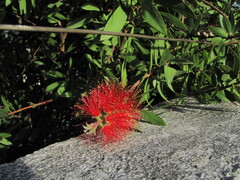 Melaleuca citrina Photo: CC BY, zebedeugalinha
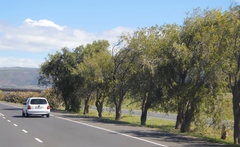 Melaleuca viminalis Weeping bottlebrush Photo: CC BY-SA, Tony Rebelo
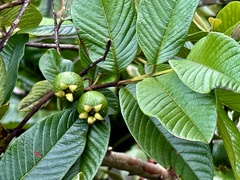 Psidium guajava Guava Photo: CC0, Chuck Wilson
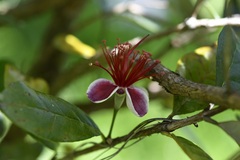 Feijoa sellowiana Guavasteen Photo: CC BY, Neptalí Ramírez Marcial
 Metrosideros excelsa New Zealand Christmastree Photo: CC BY, wild_wind
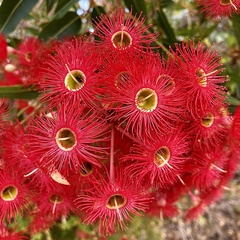 Corymbia ficifolia Redflower gum Photo: CC BY, pimelea
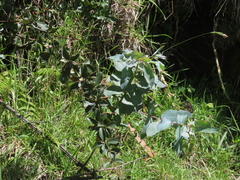 Eucalyptus globulus Southern blue-gum Photo: CC BY, Eric Schmidt
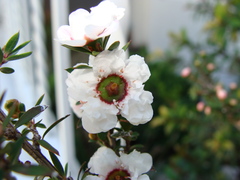 Leptospermum scoparium Broom Tea-tree Photo: CC BY, Alexis López Hernández
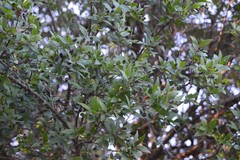 Myrtus communis Myrtle Photo: CC BY, Jon Sullivan
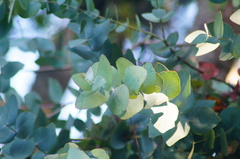 Eucalyptus cinerea Argyle apple Photo: CC BY, Carlos Domínguez-Rodríguez
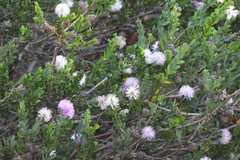 Melaleuca nesophila Mauve honey myrtle Photo: CC BY, Luke Lythgoe
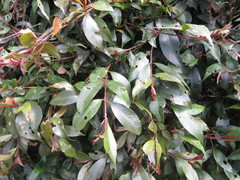 Syzygium paniculatum Magenta lilly-pilly Photo: CC BY, Juan Carlos Caicedo Hernández
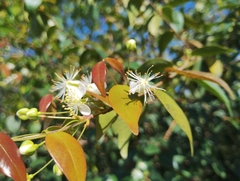 Eugenia uniflora Surinam cherry Photo: CC BY, The Great Walter
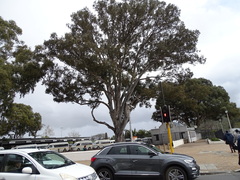 Eucalyptus camaldulensis Photo: CC BY, Shaun Swanepoel
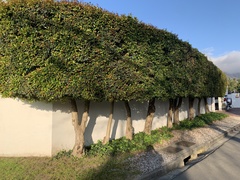 Syzygium australe Australian brush-cherry Photo: CC BY, Dave Richardson
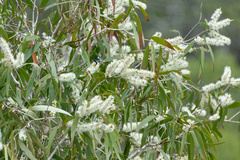 Melaleuca leucadendra Weeping paperbark Photo: CC BY, Donald Davesne
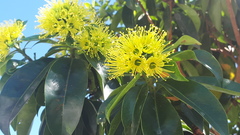 Xanthostemon chrysanthus Golden Penda Photo: CC BY-SA, Ong Jyh Seng
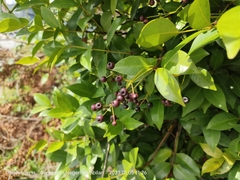 Syzygium myrtifolium Red Lip Photo: CC BY-SA, Ong Jyh Seng
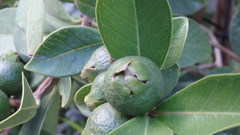 Psidium cattleyanum Strawberry guava Photo: CC BY, Paulo Galvão
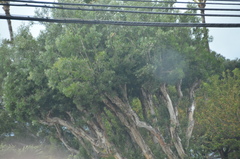 Melaleuca quinquenervia Punk tree Photo: CC BY, Liam Steele
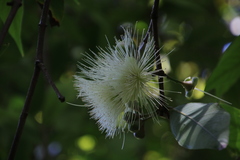 Syzygium jambos Malabar plum Photo: CC BY-SA, Tony Rebelo
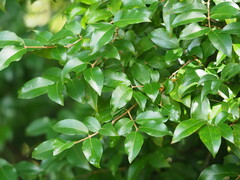 Plinia cauliflora Brazilian grapetree Photo: CC0, 葉子
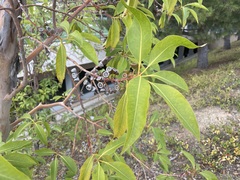 Lophostemon confertus Brisbane box Photo: CC BY-SA, lejones417
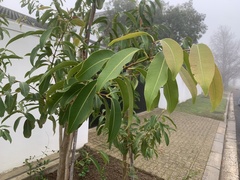 Syzygium cumini Java plum Photo: CC BY, Dave Richardson
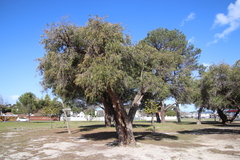 Agonis flexuosa Western Australian myrtle Photo: CC BY-SA, Tony Rebelo
 Eucalyptus robusta Swamp-mahogany Photo: CC BY, 胡正恆(Jackson Hu)
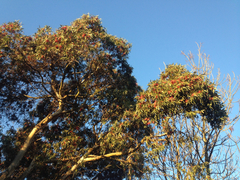 Eucalyptus leucoxylon Yellow gum Photo: CC BY, Jon Sullivan
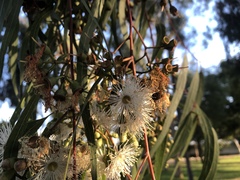 Corymbia citriodora Lemonscented gum Photo: CC BY, Luis F. Ramírez
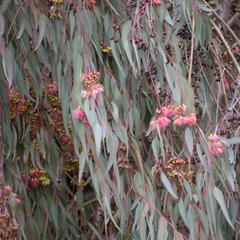 Eucalyptus sideroxylon Red ironbark Photo: CC0, Anne Parsons
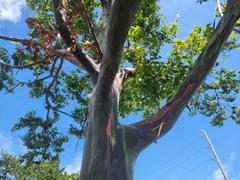 Eucalyptus deglupta Indonesian gum Photo: CC BY, Kaden Slone
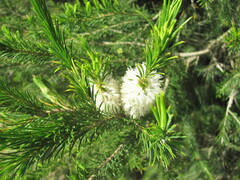 Melaleuca armillaris Bracelet honey myrtle Photo: CC BY, zebedeugalinha
 Syzygium malaccense Malaysian apple Photo: CC0, Yolanda M. Leon
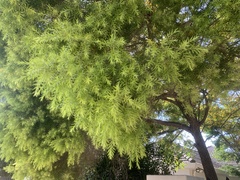 Melaleuca bracteata River Tea-tree Photo: CC BY, Dave Richardson
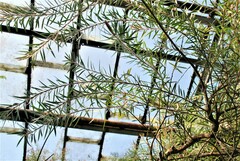 Melaleuca alternifolia Narrow-leaf paperbark Photo: CC BY, Татьяна Максимова
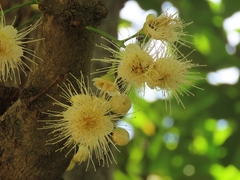 Syzygium samarangense Java-apple Photo: CC BY, chiuluan
 Myrcianthes hallii Photo: CC BY-SA, C T Johansson
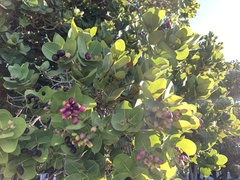 Syzygium cordatum Umdoni Waterberry Photo: CC BY, Dave Richardson
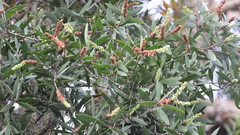 Melaleuca cajuputi Cajuput Photo: CC BY, 胡正恆(Jackson Hu)
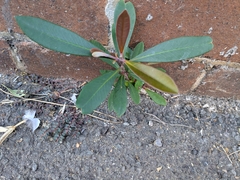 Tristaniopsis laurina Water-gum Photo: CC BY, Samuel Cooper
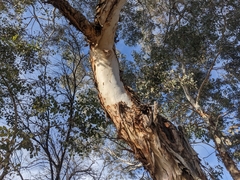 Eucalyptus polyanthemos Red-box Photo: CC BY, Alina Martin
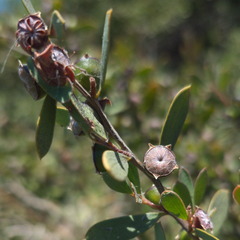 Gaudium laevigatum Australian teatree Photo: CC BY, Tynen Benson
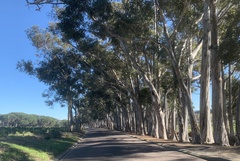 Eucalyptus cladocalyx Sugar-gum Photo: CC BY, Dave Richardson
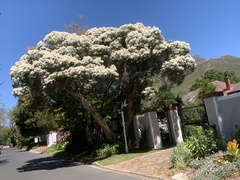 Melaleuca linariifolia Cajeput tree Photo: CC BY, Dave Richardson
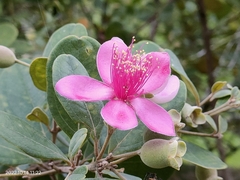 Rhodomyrtus tomentosa Rose myrtle Photo: CC BY-SA, Ong Jyh Seng
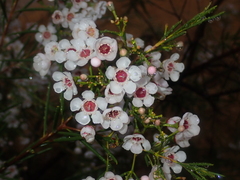 Chamelaucium uncinatum Geraldton wax Photo: CC BY, Thomas Mesaglio
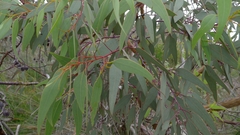 Eucalyptus caesia Silver princess Photo: CC BY, John Tann
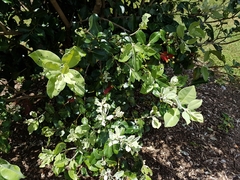 Metrosideros collina Vunga Photo: CC BY, Lek Khauv
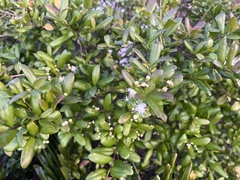 Myrcianthes fragrans Photo: CC BY-SA, Darren Oh
Grown: iNaturalist's observations of the species marked captive or cultivated; "not counted" where the species list does not count it. Native ranges: Kew's World Checklist of Vascular Plants (Govaerts et al., CC BY 4.0), file of 4 June 2026. Grown: iNaturalist's observations marked captive or cultivated, counted 17 October 2026 (the species list's count). Habitat climate known: the species page has a habitat climate, read from CHELSA's monthly climate and NASA POWER's daily extremes at its well-placed wild records inside Kew's native range; each page says its own sources and days. Record low: the lowest night in NASA POWER's daily series at the habitat's typical spot, as the species page gives it, held in °C to a tenth and shown in your units; each page says its own years and day read. Counts as the reference built on 19 November 2026 holds them. The CSV holds every result, not only this page's.