Clerodendrum
30 species in the reference · family Lamiaceae · 26 with a habitat climate · 29 grown, per iNaturalist, 1 not counted
About the genus
Clerodendrum is a genus of flowering plants formerly placed in the family Verbenaceae, but now considered to belong to the Lamiaceae (mint) family. Its common names include glorybower, bagflower, pagoda flower and bleeding-heart. It is currently classified in the subfamily Ajugoideae, being one of several genera transferred from Verbenaceae to Lamiaceae in the 1990s, based on phylogenetic analysis of morphological and molecular data.
Quoted from Wikipedia, "Clerodendrum", its opening paragraph, revision 1354646470, read 2026-11-08, CC BY-SA 4.0.
Where Clerodendrum is native
| China South-Central | 11 |
|---|---|
| China Southeast | 11 |
| Vietnam | 11 |
| Myanmar | 10 |
| Philippines | 10 |
| Sumatera | 10 |
| Thailand | 10 |
| Bangladesh | 9 |
| Jawa | 9 |
| Assam | 8 |
| Borneo | 7 |
| Laos | 7 |
Species native to each region. A species counts in every region it is native to. Native ranges: Kew's World Checklist of Vascular Plants (Govaerts et al., CC BY 4.0), file of 4 June 2026.
30 species
Clerodendrum
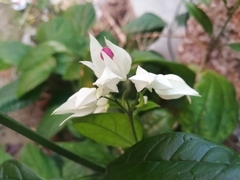 Clerodendrum thomsoniae Bagflower Photo: CC BY, Miguel Angel Ramírez Guillermo
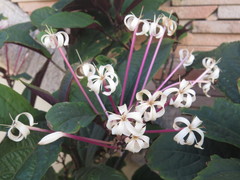 Clerodendrum quadriloculare Fire works Photo: CC BY, Diogo Luiz
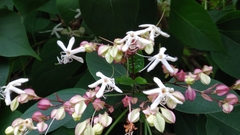 Clerodendrum trichotomum Harlequin glorybower Photo: CC BY, patrick j richardson
 Clerodendrum paniculatum Pagoda-flower Photo: CC BY, Zakqary Roy
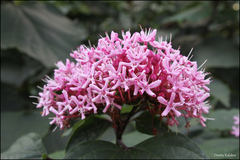 Clerodendrum bungei Rose glorybower Photo: CC BY, Dmitry Kulakov
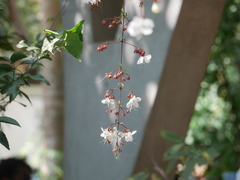 Clerodendrum schmidtii Photo: CC0, Barbara Terhal
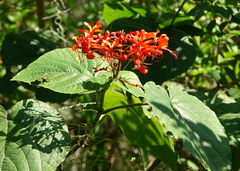 Clerodendrum japonicum Japanese glorybower Photo: CC BY, Claire Herzog
 Clerodendrum laevifolium Bridal's Veil Photo: CC BY, Samuel Lee
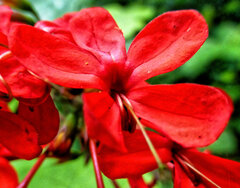 Clerodendrum splendens Photo: CC BY, Philippe Hornus
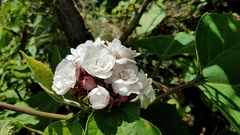 Clerodendrum chinense Stickbush Photo: CC BY, Alan Rockefeller
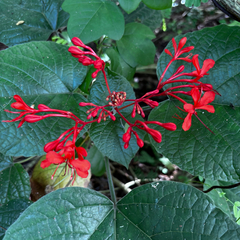 Clerodendrum speciosissimum Photo: CC BY, Gabriel
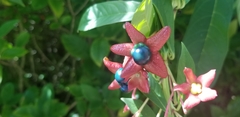 Clerodendrum indicum Turk's turban Photo: CC BY-SA, chloe ⋆˚꩜。
 Clerodendrum calamitosum Photo: CC BY-SA, Ong Jyh Seng
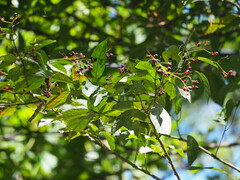 Clerodendrum cyrtophyllum Mayflower Gloryberry Photo: CC0, 葉子
 Clerodendrum infortunatum Photo: CC BY-SA, alessandradalia
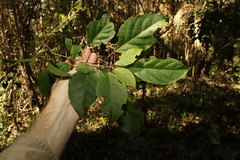 Clerodendrum floribundum Lolly Bush Photo: CC BY-SA, Greg Tasney
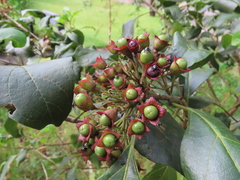 Clerodendrum tomentosum Downy chancetree Photo: CC BY, ian_mcallan
 Clerodendrum buchananii Photo: CC BY-SA, Tauʻolunga
 Clerodendrum minahassae Starfish Clerodendrum Photo: CC BY, Oeropium
 Clerodendrum nutans Photo: CC BY, T R Shankar Raman
- no open photograph on file Clerodendrum colebrookeanum East Indian glory bower
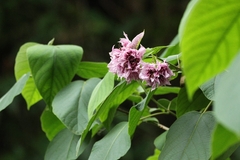 Clerodendrum macrostegium Velvetleaf glorybower Photo: CC0, Damien Wallace
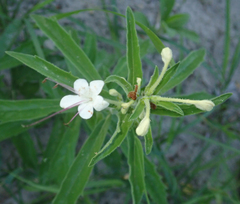 Clerodendrum ternatum Tinderwood / Tube Flower Photo: CC BY, Wilderness Safaris Botswana -…
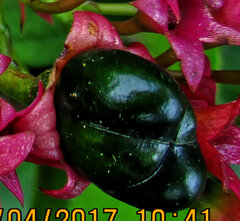 Clerodendrum umbellatum Umbel clerodendrum Photo: CC BY, Philippe Hornus
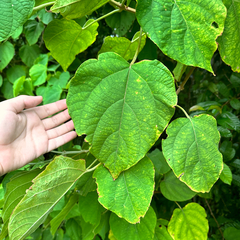 Clerodendrum villosum Photo: CC BY, scallions
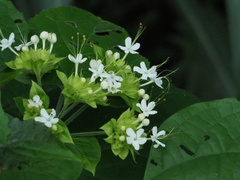 Clerodendrum canescens Photo: CC0, 葉子
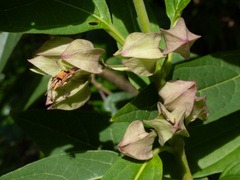 Clerodendrum fortunatum Gloryberry Photo: CC BY, Alex Abair
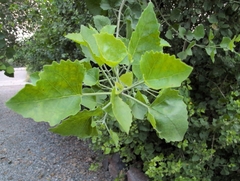 Clerodendrum phlomidis Sage glorybower Photo: CC BY, T R Shankar Raman
 Clerodendrum schweinfurthii Photo: CC BY-SA, Magnus Manske
 Clerodendrum formicarum Photo: CC BY-SA, Kurt Stüber
Grown: iNaturalist's observations of the species marked captive or cultivated; "not counted" where the species list does not count it. Native ranges: Kew's World Checklist of Vascular Plants (Govaerts et al., CC BY 4.0), file of 4 June 2026. Grown: iNaturalist's observations marked captive or cultivated, counted 17 October 2026 (the species list's count). Habitat climate known: the species page has a habitat climate, read from CHELSA's monthly climate and NASA POWER's daily extremes at its well-placed wild records inside Kew's native range; each page says its own sources and days. Record low: the lowest night in NASA POWER's daily series at the habitat's typical spot, as the species page gives it, held in °C to a tenth and shown in your units; each page says its own years and day read. Counts as the reference built on 19 November 2026 holds them. The CSV holds every result, not only this page's.