Kriti
TDWG level-3 region KRI
| Species native here | 1,086 |
|---|---|
| Native nowhere else | 26 |
| With a habitat climate | 1,071 |
| Grown, per iNaturalist | 1,015 (71 not counted) |
| Genera, families | 510, 110 |
Beside it in Southeastern Europe: Albania 2,407Bulgaria 2,539Greece 2,756Italy 3,495Romania 2,406Sicilia 1,611Turkey-in-Europe 1,592Yugoslavia 3,290
Regions: TDWG's World Geographical Scheme for Recording Plant Distributions, 2nd edition (Brummitt 2001); countries' regions as round eighty's shapes assign Natural Earth's states and provinces (public domain). Next door: regions whose outlines touch, read from those shapes (TDWG's own tables give no neighbours).
1,086 species
Species native to Kriti
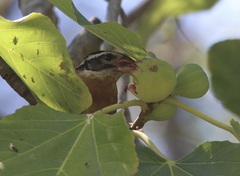 Ficus carica Fig Photo: CC BY, Cricket Raspet
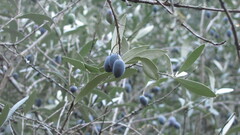 Olea europaea Olive Photo: CC BY, zebedeugalinha
 Cupressus sempervirens Italian cypress Photo: CC BY, zebedeugalinha
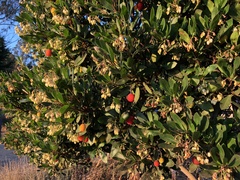 Arbutus unedo Strawberry tree Photo: CC0, Alexie
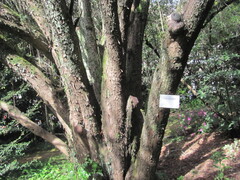 Taxus baccata Yew Photo: CC BY, zebedeugalinha
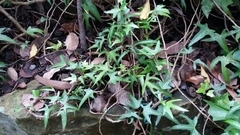 Hedera helix English ivy Photo: CC BY, Juan Carlos Caicedo Hernández
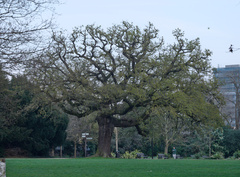 Quercus robur Pedunculate oak Photo: CC BY, Daniel Cahen
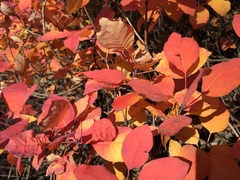 Cotinus coggygria Smoke-tree Photo: CC BY, Jason Grant
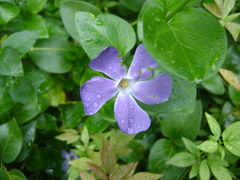 Vinca major Greater periwinkle Photo: CC BY, Tereso Hernández Morales
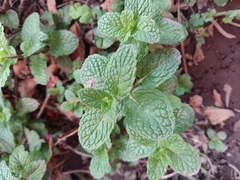 Mentha spicata Spearmint Photo: CC BY, Mauricio Calderón Cadena
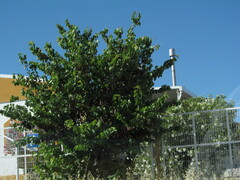 Cercis siliquastrum Judas-tree Photo: CC BY, zebedeugalinha
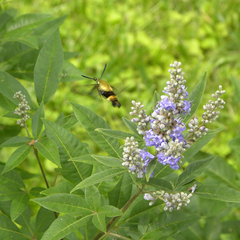 Vitex agnus-castus Chaste tree Photo: CC BY, M. Whitson
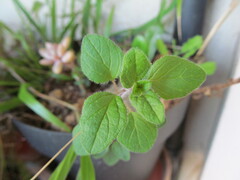 Origanum vulgare Wild marjoram Photo: CC BY, zebedeugalinha
 Laurus nobilis Bay Photo: CC0, Stephen James McWilliam
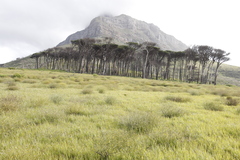 Pinus pinea Stone pine Photo: CC BY-SA, Tony Rebelo
 Euphorbia characias Mediterranean spurge Photo: CC BY, Jon Sullivan
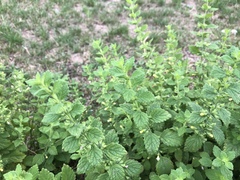 Melissa officinalis Balm Photo: CC BY, Pavel Kacl
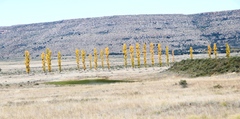 Populus nigra Black poplar Photo: CC BY-SA, Tony Rebelo
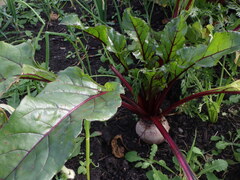 Beta vulgaris Beet Photo: CC BY, Bob
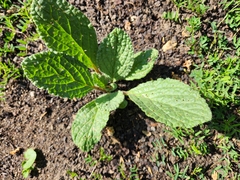 Borago officinalis Borage Photo: CC BY, John Dunlevy
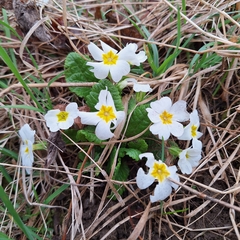 Primula vulgaris English primrose Photo: CC BY, Marek Hrušovský
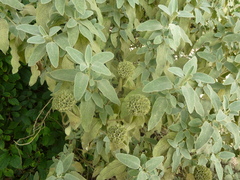 Phlomis fruticosa Jerusalem sage Photo: CC BY, Susan Marley
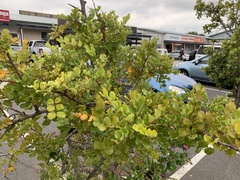 Ceratonia siliqua Carob Photo: CC BY, Dave Richardson
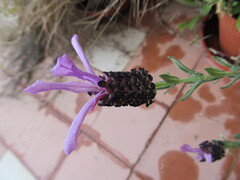 Lavandula stoechas French lavender Photo: CC BY, zebedeugalinha
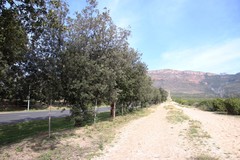 Quercus ilex Evergreen oak Photo: CC BY-SA, Tony Rebelo
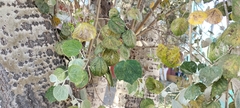 Populus alba White poplar Photo: CC BY, Tereso Hernández Morales
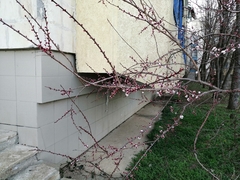 Prunus armeniaca Apricot Photo: CC BY, Roman A. Lagazyuk (Роман А. Лагазюк)
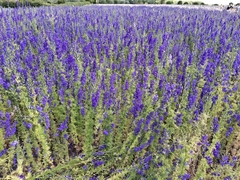 Delphinium ajacis Rocket larkspur Photo: CC0, Paul Round
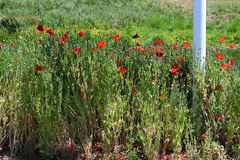 Papaver rhoeas Corn poppy Photo: CC BY, Jon Sullivan
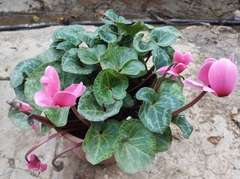 Cyclamen persicum Florist's cyclamen Photo: CC BY, Maria Luisa Bravo Alarcon
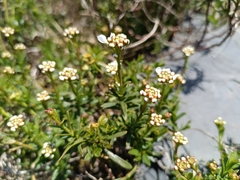 Iberis sempervirens Evergreen candytuft Photo: CC BY, Michal Honskus
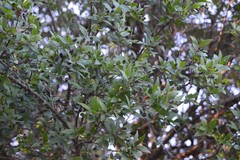 Myrtus communis Myrtle Photo: CC BY, Jon Sullivan
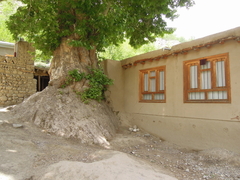 Platanus orientalis Oriental plane Photo: CC BY, Glynn Morris
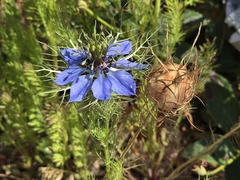 Nigella damascena Love-in-a-mist Photo: CC BY, Alan Rockefeller
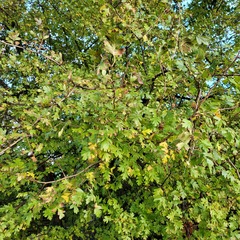 Crataegus monogyna Hawthorn Photo: CC BY-SA, Julia Palmer
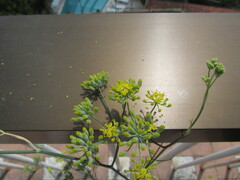 Foeniculum vulgare Fennel Photo: CC BY, zebedeugalinha
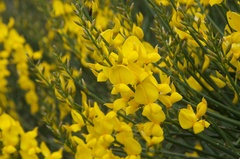 Spartium junceum Spanish broom Photo: CC BY, Jon Sullivan
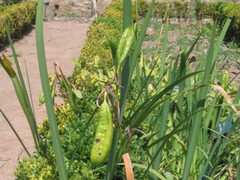 Iris pseudacorus Yellow iris Photo: CC BY, zebedeugalinha
 Narcissus tazetta Bunch-flowered Daffodil Photo: CC0, Mariana
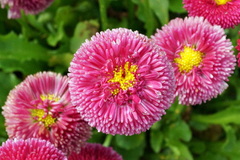 Bellis perennis Lawn daisy Photo: CC BY-SA, dr.scott.mills
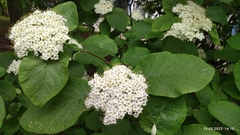 Viburnum lantana Wayfaring tree Photo: CC BY, Екатерина Гущина
 Daucus carota Queen Anne's lace Photo: CC BY, Dominic
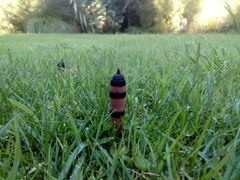 Equisetum hyemale Rough horsetail Photo: CC BY, darmozrac
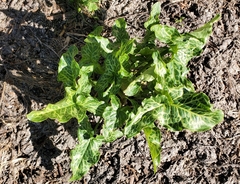 Arum italicum Italian lords-and-ladies Photo: CC BY, mteeter
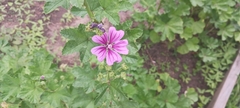 Malva sylvestris Common mallow Photo: CC BY, Seth
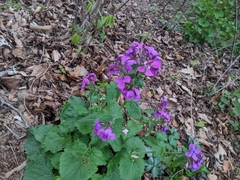 Lunaria annua Honesty Photo: CC BY, Cecil Smith
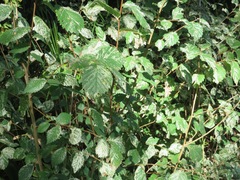 Ulmus minor Small-leaved elm Photo: CC BY, linkie
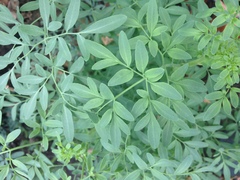 Ruta chalepensis Fringed rue Photo: CC BY, Tereso Hernández Morales
Grown: iNaturalist's observations of the species marked captive or cultivated; "not counted" where the species list does not count it. Native ranges: Kew's World Checklist of Vascular Plants (Govaerts et al., CC BY 4.0), file of 4 June 2026. Grown: iNaturalist's observations marked captive or cultivated, counted 17 October 2026 (the species list's count). Habitat climate known: the species page has a habitat climate, read from CHELSA's monthly climate and NASA POWER's daily extremes at its well-placed wild records inside Kew's native range; each page says its own sources and days. Record low: the lowest night in NASA POWER's daily series at the habitat's typical spot, as the species page gives it, held in °C to a tenth and shown in your units; each page says its own years and day read. Counts as the reference built on 19 November 2026 holds them. The CSV holds every result, not only this page's.