Russian Far East
TDWG region 31, 7 level-3 regions
| Species native here | 1,616 |
|---|---|
| Native nowhere else | 23 |
| With a habitat climate | 1,602 |
| Grown, per iNaturalist | 1,491 (125 not counted) |
| Genera, families | 584, 130 |
In it: Amur 839Kamchatka 588Khabarovsk 1,010Kuril Is. 690Magadan 515Primorye 1,162Sakhalin 760
Beside it in Asia-Temperate: Arabian Peninsula 1,083Caucasus 2,684China 7,791Eastern Asia 4,112Middle Asia 2,268Mongolia 1,212Siberia 1,885Western Asia 4,257
Next door: Korea 1,820Manchuria 1,385Yakutskiya 906Chita 821
Regions: TDWG's World Geographical Scheme for Recording Plant Distributions, 2nd edition (Brummitt 2001); countries' regions as round eighty's shapes assign Natural Earth's states and provinces (public domain). Next door: regions whose outlines touch, read from those shapes (TDWG's own tables give no neighbours).
1,616 species
Species native to Russian Far East
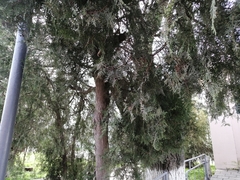 Platycladus orientalis Oriental arborvitae Photo: CC BY, Roman A. Lagazyuk (Роман А. Лагазюк)
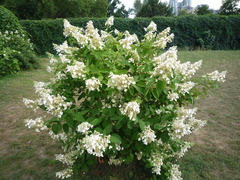 Hydrangea paniculata Panicled hydrangea Photo: CC BY, Oleksandr Shynder
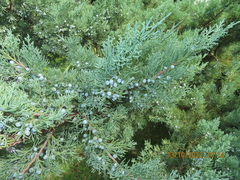 Juniperus chinensis Chinese juniper Photo: CC BY, Anton Popovich
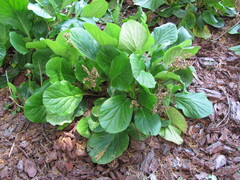 Bergenia crassifolia Elephant-ears Photo: CC BY, zebedeugalinha
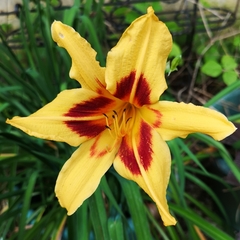 Hemerocallis lilioasphodelus Yellow day-lily Photo: CC BY, olrett
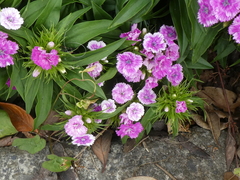 Dianthus barbatus Sweet-William Photo: CC BY, Doug Miller
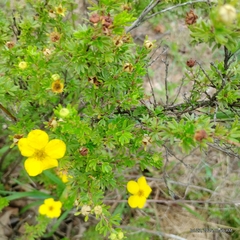 Dasiphora fruticosa Shrubby cinquefoil Photo: CC BY, Bryce
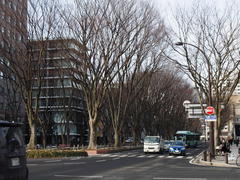 Zelkova serrata Japanese zelkova Photo: CC BY-SA, harum.koh
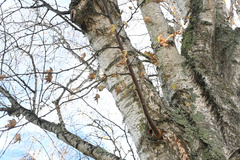 Betula pendula Silver birch Photo: CC BY, Jon Sullivan
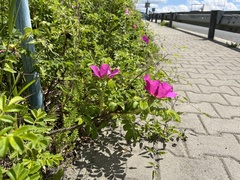 Rosa rugosa Japanese rose Photo: CC BY, Pavel Kacl
 Pinus sylvestris Scots pine Photo: CC BY, Bartosz Czołczyński
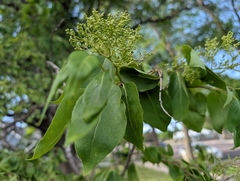 Syringa reticulata Japanese tree lilac Photo: CC BY, Jeff Hansen
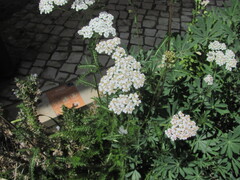 Achillea millefolium Yarrow Photo: CC BY, zebedeugalinha
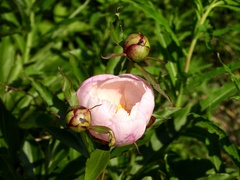 Paeonia lactiflora Chinese peony Photo: CC BY, Анна Васильченко
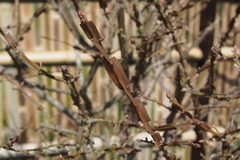 Euonymus alatus Winged euonymus Photo: CC BY-SA, harum.koh
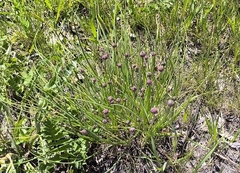 Allium schoenoprasum Chives Photo: CC BY, Yurii Basov
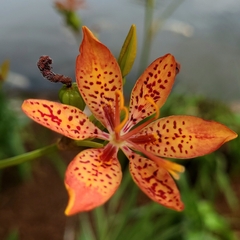 Iris domestica Blackberry lily Photo: CC BY, Antonio Nonato
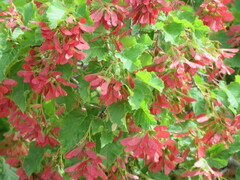 Acer tataricum Tatarian maple Photo: CC BY, Elaine Wolshock/Matthew Fook
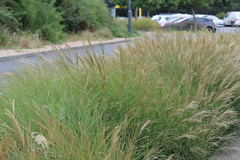 Miscanthus sinensis Chinese silvergrass Photo: CC0, Robert H. Wardell
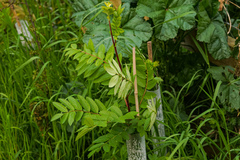 Sorbus aucuparia Rowan Photo: CC BY, Andrew Skotnicki
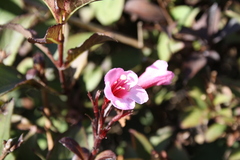 Weigela florida Weigelia Photo: CC BY, AnimalObserverDeniz321
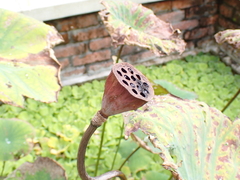 Nelumbo nucifera Sacred lotus Photo: CC BY-SA, Dr. Guido Bohne
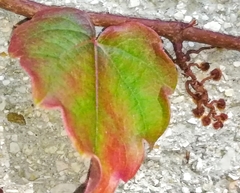 Parthenocissus tricuspidata Boston ivy Photo: CC BY, Gianni Del Bufalo bygdb
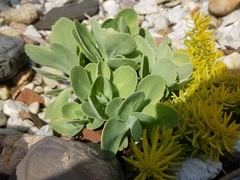 Hylotelephium spectabile Showy stonecrop Photo: CC BY, Kaden Slone
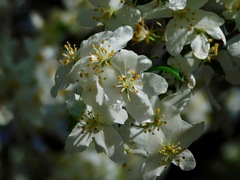 Malus baccata Siberian crab apple Photo: CC BY, Michael J. Papay
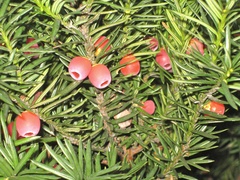 Taxus cuspidata Japanese yew Photo: CC0, Norm Herr
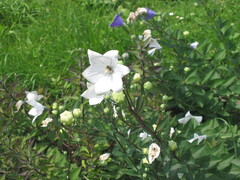 Platycodon grandiflorus Balloon-flower Photo: CC BY, zebedeugalinha
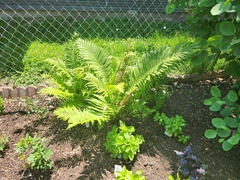 Onoclea struthiopteris Ostrich fern Photo: CC BY, Kaden Slone
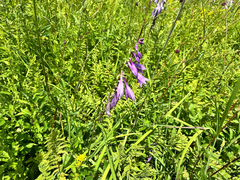 Hosta sieboldii Siebold's Plantain Lily Photo: CC BY, Yoshihiro Tokue
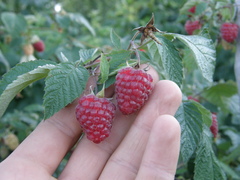 Rubus idaeus Raspberry Photo: CC BY, Oleksandr Shynder
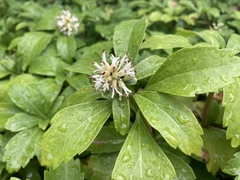 Pachysandra terminalis Japanese pachysandra Photo: CC BY, Derek
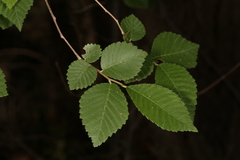 Ulmus pumila Siberian elm Photo: CC BY, jcowles
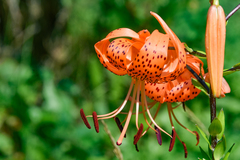 Lilium lancifolium Tiger lily Photo: CC BY, Jay Pruett
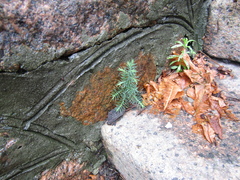 Juniperus communis Common juniper Photo: CC BY, Oleksandr Shynder
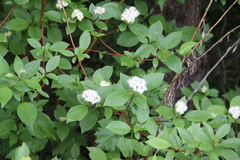 Cornus alba White dogwood Photo: CC BY, Татьяна Максимова
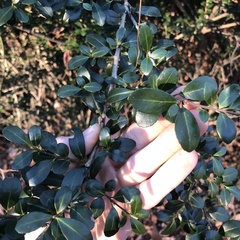 Ilex crenata Japanese holly Photo: CC BY, Andrew Conboy
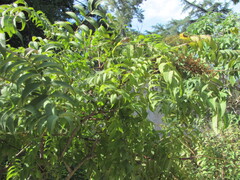 Sorbaria sorbifolia Sorbaria Photo: CC BY, zebedeugalinha
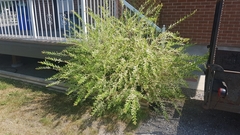 Salix integra Dappled willow Photo: CC0, Forrest McMullen
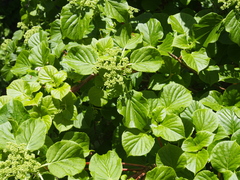 Hydrangea petiolaris Climbing hydrangea Photo: CC BY-SA, Lena Struwe
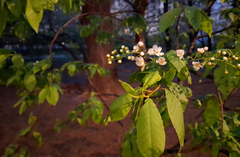 Prunus padus Bird cherry Photo: CC BY, Георгий Виноградов (Georgy Vinogradov)
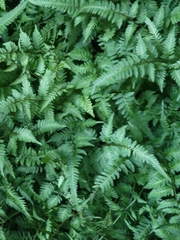 Athyrium niponicum Oriental Ladyfern Photo: CC0, andrew2285
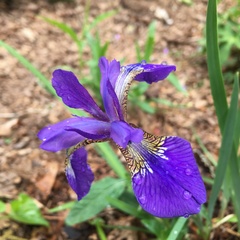 Iris sanguinea Blood iris Photo: CC BY, sarahalder
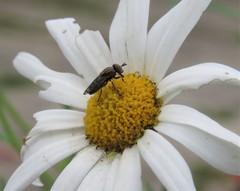 Leucanthemum vulgare Oxeye daisy Photo: CC BY, Juan Carlos Caicedo Hernández
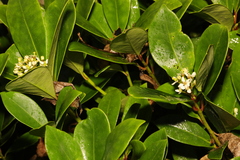 Skimmia japonica Japanese Skimmia Photo: CC0, Stephen James McWilliam
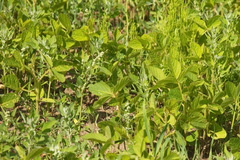 Glycine max Soya-bean Photo: CC BY, Вячеслав Юсупов
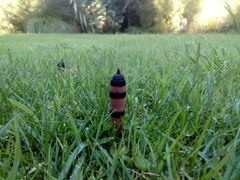 Equisetum hyemale Rough horsetail Photo: CC BY, darmozrac
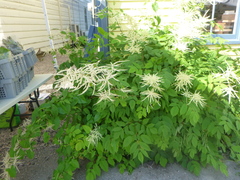 Aruncus dioicus Buck's-beard Photo: CC BY, Alexis Tinker-Tsavalas
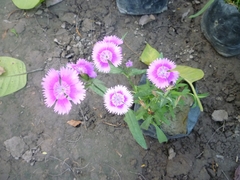 Dianthus chinensis Rainbow pink Photo: CC BY, Mitul and Vijul Singh
Grown: iNaturalist's observations of the species marked captive or cultivated; "not counted" where the species list does not count it. Native ranges: Kew's World Checklist of Vascular Plants (Govaerts et al., CC BY 4.0), file of 4 June 2026. Grown: iNaturalist's observations marked captive or cultivated, counted 17 October 2026 (the species list's count). Habitat climate known: the species page has a habitat climate, read from CHELSA's monthly climate and NASA POWER's daily extremes at its well-placed wild records inside Kew's native range; each page says its own sources and days. Record low: the lowest night in NASA POWER's daily series at the habitat's typical spot, as the species page gives it, held in °C to a tenth and shown in your units; each page says its own years and day read. Counts as the reference built on 19 November 2026 holds them. The CSV holds every result, not only this page's.